
Introduction
As UK homeowners increasingly seek sustainable and cost-effective ways to heat their homes, air source heat pumps have emerged as a leading solution. Moving away from traditional fossil fuel boilers not only reduces your carbon footprint but can also lead to significant long-term savings on energy bills. This comprehensive guide will demystify air source heat pumps, covering everything from how they work and their benefits in the UK climate, to installation costs, available government grants, and essential maintenance tips. By the end, you’ll have a clear understanding of whether an air source heat pump is the right choice for your greener, more efficient UK home.
What is an Air Source Heat Pump and How Does it Work?
An air source heat pump (ASHP) is a renewable heating system that efficiently extracts heat from the outside air, even when temperatures are as low as -15°C. Think of it like a fridge working in reverse: instead of expelling heat, it draws it in.
The core components of an ASHP system typically include:
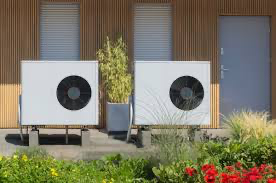
- Outdoor Unit: This resembles an air conditioning unit and contains a fan, evaporator coil, and compressor.
- Refrigerant: A fluid that circulates through the system, absorbing and releasing heat.
- Heat Exchanger: Transfers the heat to your home’s heating and hot water systems.
- Indoor Unit (Hydrobox/Cylinder): Manages the distribution of heat.
How it Works:
- Heat Absorption: The outdoor unit draws in outside air over an evaporator coil, which contains a cold, low-boiling point refrigerant liquid. Even in cold temperatures, there’s heat energy in the air.
- Vaporisation & Compression: The heat from the air causes the refrigerant to evaporate into a gas. This gas then passes through a compressor, which dramatically increases its temperature and pressure.
- Heat Transfer: The hot, high-pressure gas then moves to a heat exchanger, where it transfers its heat to your home’s heating system (radiators or underfloor heating) and hot water tank.
- Condensation & Expansion: As the refrigerant loses heat, it condenses back into a liquid. It then passes through an expansion valve, which lowers its pressure and temperature, ready to absorb more heat from the outside air.
This continuous cycle efficiently moves heat from one place to another, rather than generating it by burning fuel, making ASHPs highly energy-efficient.
Pros and Cons of Air Source Heat Pumps for UK Homes
Air source heat pumps offer a compelling vision for greener, more efficient heating, but it’s important for UK homeowners to weigh both their advantages and potential drawbacks.
Advantages:
- Significant Carbon Footprint Reduction: Unlike gas boilers that burn fossil fuels, ASHPs primarily use electricity to move heat. As the UK grid rapidly decarbonises (more renewable energy sources), your heat pump becomes progressively greener, helping you reduce your home’s carbon emissions by up to 1,900kg of CO2 per year compared to a gas boiler.
- Lower Running Costs (Potentially): Compared to old, inefficient boilers or electric storage heaters, ASHPs can lead to substantial savings on energy bills, particularly for homes off the gas grid (e.g., oil or LPG heating). Savings against a modern gas boiler might be less dramatic but contribute to long-term energy independence.
- Government Grants & Incentives: The UK government actively supports heat pump adoption through schemes like the Boiler Upgrade Scheme (BUS), offering substantial grants (£7,500) that significantly reduce the upfront cost.
- Versatility: Most air-to-water heat pumps provide both heating for radiators/underfloor heating and hot water. Some air-to-air models can also provide cooling in the summer months, acting as an air conditioner.
- Minimal Maintenance: Compared to traditional boilers, ASHPs have fewer moving parts and don’t involve combustion, leading to fewer breakdowns and generally lower annual maintenance costs.
- Long Lifespan: A well-installed and maintained ASHP can last 20-25 years, comparable to or even longer than traditional boilers.
- Improved EPC Rating: Installing a heat pump can contribute to a higher Energy Performance Certificate (EPC) rating for your home, potentially increasing its value.
Disadvantages:
- Higher Upfront Cost: Despite grants, the initial installation cost of an ASHP is generally higher than replacing a gas boiler.
- Requires Good Insulation: For optimal efficiency and comfort, ASHPs work best in well-insulated, draught-proof homes. Older, less insulated UK properties might need significant insulation upgrades before a heat pump is truly effective, adding to the overall cost.
- Lower Operating Temperature: ASHPs typically operate at lower flow temperatures (around 45-55°C) compared to gas boilers (70-80°C). This often means larger radiators or underfloor heating systems are recommended to maintain comfortable warmth, potentially adding to installation costs.
- Operational Noise: While modern units are much quieter, the outdoor unit does produce some noise (similar to a fridge or dishwasher). Careful placement is important, especially in terraced or semi-detached UK homes.
- Space Requirements: The outdoor unit requires sufficient space, usually on an exterior wall or in a garden. You’ll also need space for a hot water cylinder indoors if you opt for an air-to-water system.
- Electricity Dependent: Heat pumps run on electricity. While they are highly efficient, their running costs are affected by electricity prices. Pairing with solar PV can mitigate this.
Typical Air Source Heat Pump Costs in the UK
The cost of installing an air source heat pump in the UK can vary significantly, depending on several factors. It’s crucial to understand both the unit cost and the installation cost to get a full picture.
Average Total Costs (Unit + Installation):
- Small to Medium Homes (1-2 bedrooms): Typically range from £8,000 – £12,000
- Medium to Large Homes (3-4 bedrooms): Typically range from £10,000 – £15,000
- Large Homes (5+ bedrooms): Can range from £12,000 – £18,000+
These figures generally include the heat pump unit itself, labour, and associated components like piping, wiring, and a new hot water cylinder (if needed).
Factors Influencing Price:
- Heat Pump Size (kW): Determined by your home’s heat loss, insulation levels, and size. A larger, more powerful unit costs more.
- Type of ASHP:
- Air-to-Water: Most common for central heating and hot water. Costs are as above.
- Air-to-Air: Primarily for heating (and cooling), but doesn’t provide hot water. Generally cheaper (£4,000 – £9,500).
- High-Temperature ASHP: Designed for homes with existing high-temperature radiator systems, may be more expensive.
- Property Characteristics:
- Insulation Levels: Poorly insulated homes may require a larger, more expensive heat pump or significant pre-installation insulation upgrades.
- Existing Heating System: Upgrading radiators to a larger size or installing underfloor heating can add £3,000 – £9,000+ to the total cost.
- Hot Water System: If you don’t have a suitable hot water cylinder (e.g., a modern unvented cylinder), this will be an additional cost.
- Complexity of Installation: Ease of access, length of pipe runs, and electrical upgrades can all impact labour costs.
- Installer Rates: Prices vary between different MCS-certified installers. Getting multiple quotes is essential.
- Brand & Model: Like any appliance, different manufacturers offer various models with different features and price points.
UK Government Grants and Incentives for Heat Pumps
The UK government offers significant financial support to encourage homeowners in England and Wales to switch to low-carbon heating systems like air source heat pumps.
The Boiler Upgrade Scheme (BUS):
The Boiler Upgrade Scheme (BUS) is the primary government grant for heat pump installations in England and Wales. It provides an upfront capital grant to reduce the installation cost.
- Grant Amount: Currently, you can receive typically £7,500 for air source heat pumps.
- How it Works: The grant is applied for by your MCS-certified installer on your behalf. The grant amount is then deducted directly from your quote, so you only pay the reduced price. You do not apply for the grant yourself.
- Eligibility Criteria (Key Points – ALWAYS FACT-CHECK against gov.uk):
- Property Ownership: You must own the property (can be your home, a small business property, or a property you rent out).
- Existing Heating System: You must be replacing a fossil fuel heating system (e.g., gas, oil, LPG boiler) or a direct electric heating system (without a heat pump).
- Energy Performance Certificate (EPC): Your property must have a valid EPC issued within the last ten years. There is no minimum EPC rating required.
- Installer Certification: Your heat pump must be installed by an MCS-certified installer.
- Capacity: The heat pump’s maximum installation capacity must be up to 45kWth, which covers most domestic homes.
- Location: The scheme is for properties in England and Wales only.
- New Builds: Generally not eligible unless replacing an existing fossil fuel system installed when you moved in (e.g., a self-build where you were the first owner and can provide proof).
Other Potential Schemes (Vary by Region/Eligibility):
- ECO4 (Energy Company Obligation): This scheme obligates large energy suppliers to help households improve their energy efficiency. It primarily targets low-income households or those on certain benefits in England, Scotland, and Wales. It can sometimes cover the full cost of a heat pump.
- Local Council Grants: Some local authorities in the UK may offer additional small grants or support schemes.
- Scotland/Wales Specific Support:
- Scotland: Home Energy Scotland offers interest-free loans and grants for energy efficiency improvements, including heat pumps.
- Wales: Nest Warm Homes Programme provides advice and support, potentially including grants or interest-free loans for energy-efficient upgrades.
Always check the latest information on the official GOV.UK website for the Boiler Upgrade Scheme and other regional/local initiatives.
Choosing the Right Heat Pump Installer in the UK
Selecting a qualified and reliable installer is paramount for the efficiency and longevity of your air source heat pump system. A poorly installed system will underperform and could cost you more in the long run.

Key Considerations:
- MCS Certification:
- This is non-negotiable for most installations, especially if you want to be eligible for the Boiler Upgrade Scheme.
- The Microgeneration Certification Scheme (MCS) is a quality assurance scheme that certifies renewable energy products and installers in the UK.
- Your Task: Use the official MCS certified installer search tool on their website (mcscertified.com) to find accredited professionals in your area.
- Consumer Code Membership:
- MCS-certified installers must also be members of an approved Consumer Code, such as the Renewable Energy Consumer Code (RECC) or HIES Consumer Code. These codes provide consumer protection and an independent complaints process.
- Experience & Specialisation:
- Look for installers with proven experience specifically in air source heat pump installations in properties similar to yours (e.g., older homes, new builds, specific construction types).
- Ask for case studies or references if possible.
- Heat Loss Calculation & Sizing:
- A good installer will perform a thorough heat loss calculation of your home to correctly size the heat pump. An undersized unit won’t heat effectively; an oversized one will be inefficient and more expensive.
- They should assess your insulation, existing radiators/pipework, and hot water demands.
- Comprehensive Quote:
- The quote should be detailed, breaking down costs for the heat pump unit, installation labour, hot water cylinder (if needed), radiator upgrades, electrical work, and any other necessary modifications.
- Ensure the quote explicitly shows the deduction of the Boiler Upgrade Scheme grant if you are eligible.
- Multiple Quotes:
- Always get at least three quotes from different MCS-certified installers. This allows you to compare prices, proposed solutions, and get a feel for their professionalism.
- Warranties & Aftercare:
- Inquire about warranties on the heat pump unit and the installation itself.
- Ask about their aftercare service and annual maintenance plans.
[AFFILIATE LINK PLACEHOLDER: For a service that offers free quotes from MCS-certified local heat pump installers]
Maintenance and Lifespan of Air Source Heat Pumps
One of the attractive aspects of air source heat pumps is their relatively low maintenance requirements and long lifespan.
Lifespan:
- A well-installed and properly maintained air source heat pump can typically last 20 to 25 years, or even longer, with some manufacturers quoting up to 30 years.
- This is comparable to, or often longer than, the average lifespan of a traditional gas boiler (around 10-15 years).
- Their longevity is partly due to fewer moving parts compared to combustion-based systems, reducing wear and tear.
Maintenance:
While ASHPs are low-maintenance, some routine care is essential to ensure optimal efficiency and extend their lifespan.
- Annual Professional Service:
- It’s highly recommended to have your heat pump serviced by a qualified professional at least once a year. This check ensures it’s operating efficiently, identifies any minor issues before they become major, and often keeps your warranty valid.
- A technician will check refrigerant levels, electrical connections, clean coils, and ensure all components are working correctly.
- Cost: Expect to pay roughly £150 – £300 per year for an annual service.
- Owner Maintenance (Monthly/Quarterly):
- Clean Filters: Regularly clean or replace the air filters in your indoor unit (if applicable) to ensure good airflow.
- Keep Outdoor Unit Clear: Ensure the outdoor unit is free from obstructions like leaves, grass clippings, snow, ice, or overgrown vegetation. Clear away any debris.
- Check for Leaks: Periodically inspect the outdoor unit for any signs of water leaks or refrigerant leaks.
- Listen for Unusual Noises: Report any new, loud, or strange noises to your installer or service provider.
- Clean Coils & Fan Blades: Gently clean the outdoor coil fins and fan blades if they appear dirty (ensure the unit is powered off first).

Air Source Heat Pump FAQs
Here are answers to some common questions UK homeowners have about air source heat pumps:
Q: Do air source heat pumps work in cold UK weather?
A: Yes, absolutely. Modern air source heat pumps are designed to work effectively even when outdoor temperatures drop significantly, typically down to -15°C. While their efficiency (Coefficient of Performance – COP) might slightly decrease in very extreme cold, they are perfectly suited for the UK’s temperate climate.
Q: Are air source heat pumps noisy?
A: Modern ASHPs are much quieter than older models. The outdoor unit produces a sound level similar to a modern dishwasher or refrigerator (around 40-60 decibels). Proper siting (away from windows or neighbours) by your installer can minimise any disturbance.
Q: How long does an air source heat pump installation take?
A: A typical domestic air source heat pump installation usually takes between 2 to 5 days, depending on the complexity of your home’s existing heating system and any necessary upgrades (like new radiators or hot water cylinder).
Q: Do I need to replace my radiators for a heat pump?
A: Often, yes. Because heat pumps operate at lower flow temperatures than gas boilers, your existing radiators might be too small to adequately heat your home. Your installer will perform a heat loss calculation and advise if larger radiators or underfloor heating are needed for optimal comfort and efficiency.
Q: Will an air source heat pump provide all my heating and hot water?
A: An air-to-water heat pump can indeed provide both your home’s heating and hot water. However, it requires a well-insulated hot water cylinder designed for heat pump temperatures. Air-to-air heat pumps typically only provide space heating (and cooling).
Q: How much can I save on energy bills with an air source heat pump?
A: Savings vary significantly based on your current heating system and home insulation. You could save up to £290 per year compared to an old gas boiler, and potentially much more if you’re replacing electric storage heaters or oil boilers (hundreds to over a thousand pounds annually).
Conclusion
Embracing an air source heat pump for your UK home is a significant step towards a more sustainable and potentially more affordable future. While the initial investment requires careful consideration, the long-term benefits of reduced carbon emissions, lower running costs (especially with government grants), and a comfortable, modern heating system are compelling.
By choosing an MCS-certified installer, understanding the grant schemes like the Boiler Upgrade Scheme, and committing to basic annual maintenance, you can ensure your air source heat pump provides efficient, reliable heat for decades to come. Make theecohomehub.com your trusted resource for navigating your journey to a greener home.